
Resources
Resources and Self-Care Recommendations

Virtual Care Toolkit
Health Problems that are IDEAL for Telehealth Services
Telehealth can meet the needs of most, but not all health problems. See the list of problems in the document linked below and see if you agree with what can be treated effectively. Remember, this is a partnership to help improve your health.
A Home Diagnostics Kit List: Ideal for everyone
Click the icon below to see a list of diagnostics tools everyone should have in their home. It’s ideal to know your blood pressure and heart rate before any and all clinical visits, including our telehealth services. Hopefully this list is helpful to you.
Preparing for YOUR Telehealth visit
The telehealth visit requires some preparation on both ends. Before your visit begins, be sure all of the elements of the list in the linked document below are addressed. Looking forward to our visit!
Checking Your Blood Pressure at Home
It’s a good idea to check your BP at home. You may be able to check it when visiting a local grocery or drug store, but checking it on your own is the best plan. The document below includes directions and options for a BP cuff purchase. See what you think.
When to Seek a Face-to-Face clinical visit: TIME IS TISSUE
Telehealth is not appropriate for some clinical services. Please review the document available through the link below to better appreciate the best location for your health care needs.
Blood Pressure Check Log Options
Consider using these forms to document your blood pressure and pulse and how you are feeling in general. These are available in a Word document to modify as you wish, or a PDF if you prefer.

The Recovery Room
Managing Dehydration at Home
When dehydration becomes severe, an IV infusion may be needed. However, we are able to rehydrate effectively at home if we are able to keep fluids down. There are many techniques and methods to make this happen. See the attached document for ideas and links to recipes.
Sinus Problems
Managing sinus problems is more than trying to blow your nose. Techniques, medications, hydration, and timing are all important. Click in to the attached document below to learn more to make the most of your self-care efforts. By the way, select medications also help.
Managing a Cough
There are techniques and medication that can help address a persistent cough. Click into the document below for suggestions and ideas to help address this persistent problem both with and without prescription medications.
Pain management: Safe Use of OTC Pain Relievers
Sometimes the typical medications from the grocery store or pharmacy work very well, but they could also harm if not taken correctly. See the document below to learn more about safety with these common medications.

Pharmacy and Prescription Tips
How to Save on Medications
We all know medications can be expensive. Download the attached document to see ways to save money. Some techniques are obvious; others may be something new to consider.
Antibiotics 101
Antibiotics can help and sometimes hurt. Learn more about how and why we take and have respect for what these medications can do. Click the icon below to review this document.
Stomach and Intestinal Medications
Managing stomach and intestinal problems can be a tremendous challenge. Download the document below to see information about non-prescription medications and ways to treat heartburn, nausea, and diarrhea.
Dermatology Corner
Managing skin disorders can range from being a nuisance to a full-on problem. Click into the attached document below to see options to consider and possible treatment options.

Longevity Lab
Longevity Habits that Matter Most
When looking for content to share in this category, a great article by Carla Louise Fedigan appeared in LinkedIn. She says it better than most anyone. It’s brief and worth a read.
Immunization Roadmap for all ages
Vaccine schedules can be complicated. The attached document lists vaccine schedules for children and adults along with reputable immunization resources. Do you know what happened to people before vaccines? They lived to the age of 45 on the average. Embrace the idea of vaccines to promote your health.
Adult Health Screening Timeline
Screening helps to promote health and longevity. Schedules have been created based on evidence and guidelines. See the attached to better appreciate the recommendations to promote health and prevent diseases.
Five Medications to Avoid
This article outlines five medications that have been commonly used, but we now see that they should be voided. Evidence does not support their use, and some could be harmful. See the attached document for more information. It may surprise you.

Gender-Specific Health Planning
Women’s Health Foundations
Health efforts for women are unique. Prevention and follow-up are essential early in life to help ensure health and a thriving life for many decades. See the article below providing information for a women’s health plan for lifelong wellness.
Men’s Health Fundamentals
Men have unique health care needs, and addressing them early in life can result in better health as the decades progress. See the attached for screening, health promotion, and pillars for longevity.
Women’s Health: Aging Gracefully
As we age—whether we like it or not—our health needs change. Women have unique needs to consider, including screening and treatment options. Please see the attached document for more information.
Men’s Health: Thriving
Being healthy and thriving while aging is a goal for all, yet men have needs specific to this gender. See the attached for core screening recommendations along with techniques to preserve vitality. Being healthy in our later decades is not based on chance. Plan and take an active role in the process.

Mental Health is Wellness
Managing Anxiety: Coping Strategies and Treatment Options
Managing anxiety is a tremendous challenge for many. Medications can help but do not remedy this problem that can influence our day-to-day view of the world. See the brief article below for at-home self-care strategies, over-the-counter options, and commonly prescribed treatments. You do not have to navigate this alone.
Severe Mental Illness Concerns
Recognizing signs of severe mental illness can save a life. Seeking help and providing treatments are essential. See the attached document discussing these thoughts and steps. Managing severe mental illness is a lifelong journey.
Recognizing and Treating Depression
Seeing depression in ourselves or others can be a challenge, and self-care strategies along with treatment options can be difficult to manage. Yet, there are ways to approach this effectively. See the brief attached aticle for thoughts and actions to consider. It is treatable, and no one needs to endure this alone.
Foundations for Mental Wellness Self-Care
Establishing self-care habits can stabilize baseline health and help address the ups and downs of life. Tending to our health and ensuring that we protect our social and cognitive health are essential to our well-being. See the attachment below for thoughts, hints, and support in these efforts.
Chronic Condition Management
Weight Wellness: A Proactive Guide
Solid and tested information to reinforce nutritional foundations, daily actions, metabolism resilience, and a review of prescribed and over-the-counter treatments to help decrease weight and maintain a healthy balance. See the attachment below.
Thyroid Health: Hyper and Hypothyroidism
If you have a thyroid condition, you know the ups and downs of self-care and medical management. See the article below providing basic information about signs, symptoms, and possible treatments.
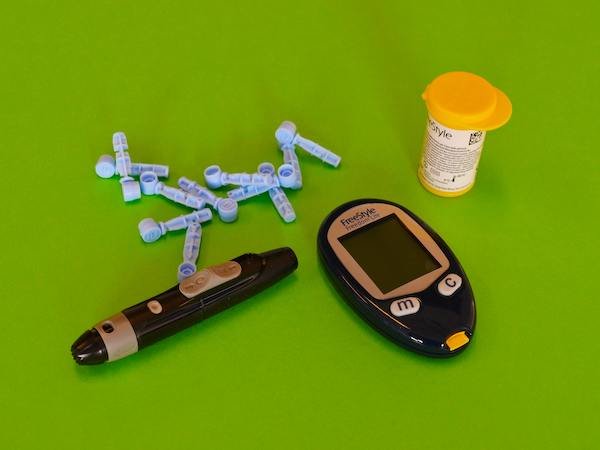
Type 2 Diabetes Support: Managing your Health
Managing your T2DM is a daily challenge. Download the brief article below to see daily activities that help to balance your blood sugar, energy, and overall health. Take control of your metrics.
Cholesterol Basics
Everyday self-care to control your cholesterol and improve health is possible and effective. See the brief article below outlining nutritional and lifestyle habits that can make a favorable impact on your cholesterol. Take charge of your cardiovascular health.

Safety and Red Flags
Staying Healthy in the Heat: Managing Extreme Heat Hazards
Download the article below that addresses signs and symptoms of heat-related illness, techniques to use at home, and when to go to the emergency department. Don’t wait for a heat wave to plan ahead. Be sure you are knowledgeable and prepared.
Pediatric Red Flags: When to Seek Immediate Care
Conditions in children can change quickly. Recognizing severe respiratory distress, advanced signs of dehydration, critical fever thresholds, neurological and behavioral changes, and severe abdominal pain or persistent vomiting can save a life.