Resources
Resources and Self-Care Recommendations

Virtual Care Toolkit
Health Problems that are IDEAL for telehealth services
Minor Infections: Sinusitis (sinus infections), uncomplicated urinary tract infections (UTIs), earaches, and sore throats.
Dermatology: Rashes, acne, shingles, or minor skin infections (cellulitis) that are not spreading rapidly.
Respiratory Issues: Mild coughs, seasonal allergies, and management of stable asthma or COPD.
Digestive Health: Mild stomach flu, nausea, diarrhea, and acid reflux/GERD management.
Wellness & Prevention: Weight management, smoking cessation, and personalized “Longevity Lab” consultations.
Hypertension Management: Reviewing home blood pressure logs (using the instructions you’ve already provided!) and adjusting medications.
Mental Health: Anxiety, depression, and stress management, including medication starts or adjustments.
Lab Review: Explaining results from blood work or imaging ordered by other providers or during previous visits.
Prescription Refills: Maintenance medications for stable conditions like cholesterol, thyroid, or diabetes.
Post-Op Check-ins: Monitoring wound healing or addressing questions about recovery timelines.
Dehydration Management: Providing oral rehydration protocols for patients recovering from the flu.
Injury Triage: Helping a patient decide if an injury actually needs an X-ray or can be managed with R.I.C.E. (Rest, Ice, Compression, Elevation).
A Home Diagnostic Kit List
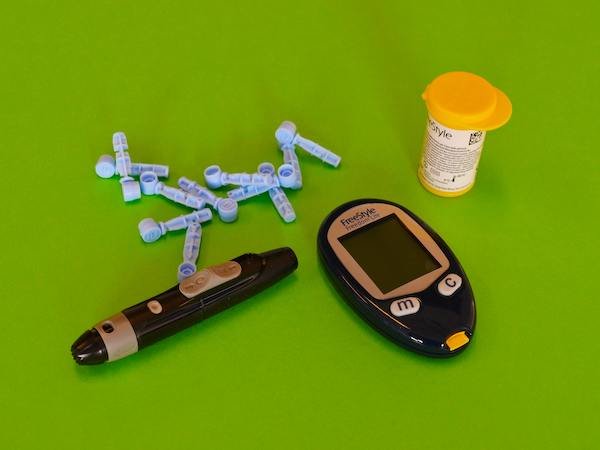
These are ideal tools and devices to have at home. Some may require a small investment but are worth having around.
- A digital thermometer. Though not essential, it’s good to measure and record an accurate temperature
- Pulse oximeter, which is especially useful for respiratory issues. Everyone’s reading should be above 95% oxygenation. If it’s less than that, there may be problems that need to be addressed. Also, this device can count your heart rate very quickly.
- A flashlight (such as the one on most smart phones) or a penlight to show the back of your throat or rash so that we can see clearly the extent of the problem. A photograph of the back of your throat or rash is also helpful.
- A measuring tape is useful to measure the size of a rash or sore, and also helpful to measure the extent of swelling.
Follow these steps to prepare for your telehealth visit
1. Sign up for the mailing list on this website. HERE’S the LINK. Though this is not required, it gives us the opportunity to communicate outside of the patient portal (which is reserved for sharing private medical information).
2. Have your health information ready to enter into the form once you are in the electronic health records. This information includes:
Your Age, Gender, Height, Weight, Heart rate, Blood Pressure
It’s easy to check your pulse, but obviously a blood pressure cuff is needed. If you have one, check it within 24 hours before the appointment, or stop by a grocery store or drugstore and use their machines. It’s free. Would you like instructions? CLICK HERE.
Also, have a list of your prescribed medications ready to share with the name of the medicine, strength, and how often you take it (or apply it). It’s good to know the name of the prescriber when sharing this information.
3. Select the time slot available that works for you. Make payment, and at the appointed time click into the telehealth platform.
Once you are into the telehealth system, there are forms to complete that help build your records so that we can be as precise as possible during our visit.
Checking Your Blood Pressure at Home
To self-check blood pressure accurately, sit upright in a supported chair with feet flat on the floor, legs uncrossed, and arm supported at heart level. Use an automatic upper-arm cuff on bare skin if possible or place the cuff over a thin sleeve.
Preparing for the Measurement
- Use the Right Tools: Use an automatic, cuff-style monitor that fits your upper arm, as wrist/finger monitors are less reliable.
- Rest: Rest comfortably for about 5 minutes before the measurement.
- Prepare Your Body: Empty your bladder and ensure you haven’t smoked, exercised, or consumed caffeine in the last 30 minutes.
- Positioning: Sit in a chair with your back straight and supported, feet flat on the floor, and legs uncrossed.
- Arm Placement: Place your arm on a table so the cuff is at the same level as your heart, with your palm facing up.
Taking the Measurement
- Place the Cuff: Apply the cuff directly against bare skin (preferred—not over clothing if this can be avoided) on the upper arm, about 1 inch above the bend of the elbow.
- Ensure Proper Fit: The cuff should be snug but not too tight.
- Measure: Press the start button. Remain still and quiet, and do not talk or use a phone during the reading.
- Record: Write down your top number (systolic), bottom number (diastolic), and pulse rate.
- Repeat: Wait one minute, then take a second reading to ensure accuracy.
Best Practices and Tips
Log Results: Maintain a log to share with your healthcare provider to help them understand your true average blood pressure, rather than relying on one high reading.
Timing: Take measurements at the same time each day (e.g., morning and evening), ideally before taking medication.
When to seek face-to-face services: TIME IS TISSUE
A telehealth visit is NOT appropriate if you have any of the following. You need urgent or emergency care right away.
- Cardiac Warning Signs: Sudden chest pain, pressure, or discomfort; pain radiating to the jaw, neck, or left arm; sudden shortness of breath.
- Stroke Symptoms (BE FAST): Sudden loss of balance, vision changes, facial drooping, arm weakness, or difficulty speaking.
- Severe Respiratory Distress: Extreme difficulty breathing, bluish lips or face, or gasping for air.
- Neurological Changes: Sudden confusion, loss of consciousness, or the “worst headache of your life.”
- Major Trauma: Deep lacerations with uncontrollable bleeding, suspected broken bones (especially if the bone is visible), or head injuries with loss of consciousness.
- Severe Allergic Reactions (Anaphylaxis): Swelling of the lips, tongue, or throat and difficulty swallowing.
These conditions require a physical exam, diagnostic imaging, or lab tests that cannot be performed via video:
- High Fever with Stiff Neck: Could indicate meningitis; requires immediate physical assessment and treatment.
- Severe Abdominal Pain: Particularly if it is sharp, localized (like the lower right side), or accompanied by persistent vomiting.
- Potential Fractures or Sprains: Any injury where you cannot bear weight or there is significant swelling/deformity.
- Wound Care: Cuts that may require stitches or signs of a skin infection that is spreading rapidly (red streaks).
- Sudden Vision Loss or Eye Injuries: Requires specialized equipment for a proper exam.
- Suicidal or Homicidal Ideation: Patients in a mental health crisis requiring immediate stabilization.
Blood Pressure Check Log Options
Consider using these forms to document your blood pressure and pulse, and how you are feeling in general. These are available in a Word document to modify as you wish, or a PDF if you prefer.
The Recovery Room
Managing Dehydration
Home Management of Dehydration: A Quick Guide
Dehydration occurs when your body loses more fluid than it takes in, leaving it without enough water and electrolytes to carry out normal functions. While severe cases require immediate medical attention, mild to moderate dehydration can often be managed effectively at home.
Phase 1: Recognition
Before treating, identify the severity. Common signs of mild dehydration include:
- Extreme thirst and dry mouth.
- Dark yellow, strong-smelling urine.
- Dizziness or lightheadedness.
- Fatigue or “brain fog.”
Warning: If you experience confusion, fainting, an inability to keep fluids down, or have not urinated in 8+ hours, seek emergency medical care immediately.
Phase 2: The Best Self-Care Technique
The gold standard for treating dehydration at home is Oral Rehydration Therapy (ORT). This is more effective than drinking plain water alone because it replaces lost electrolytes (salts) that help your cells absorb water.
How to Perform ORT:
- Use an Oral Rehydration Solution (ORS): Reach for products like Pedialyte, Hydralyte, or WHO-standard rehydration packets. These contain the specific ratio of glucose and electrolytes needed for rapid absorption.
- The “Sip, Don’t Gulp” Rule: Drink small amounts frequently—about 1 to 2 tablespoons every few minutes. Gulping large amounts of fluid can trigger vomiting or bloating, worsening the condition.
- Temperature Matters: Aim for room temperature or slightly chilled fluids. Extremely cold or hot drinks can sometimes irritate a sensitive stomach.
Phase 3: Supporting Recovery
Once you have started ORT, follow these steps to stabilize your recovery:
- Avoid Diuretics: Stay away from caffeinated coffee, tea, and soda, as well as alcohol. These can increase fluid loss through urination.
- Modify Your Diet: Stick to “water-rich” bland foods like watermelon, cucumbers, broths, or gelatin once you can tolerate solids.
- Cool the Body: If dehydration is heat-related, move to a shaded or air-conditioned area and apply cool, damp cloths to your skin.
- Rest: Physical activity increases fluid loss through sweat. Keep movement to a minimum until your urine is pale yellow.
Home-Made Rehydration Recipe
If you cannot get to a store, you can mix a basic solution using household staples:
| Ingredient | Amount |
| Clean Water | 1 Liter (approx. 4.25 cups) |
| Granulated Sugar | 6 Level Teaspoons |
| Table Salt | 1/2 Level Teaspoon |
Instructions: Stir until the sugar and salt are fully dissolved. Drink small sips over the course of several hours.
Sinus Problems
Managing a cough, short and long term options
Managing a Persistent Cough: From Acute to Chronic
A cough is your body’s way of clearing irritants from your airways, but when it lingers, it shifts from a helpful reflex to an exhausting burden. Whether your cough is acute (lasting under 3 weeks, usually viral) or chronic (lasting 8 weeks or more), management focuses on soothing the throat and addressing the underlying cause.
Immediate Relief: Home Care Strategies
For most coughs, the goal is to reduce irritation and thin mucus so it can be cleared more easily.
- Hydrate to Thin Mucus: Drinking plenty of water is the most effective way to thin secretions in the lungs and throat. Warm liquids—like herbal tea or broth—are particularly soothing.
- The Honey Method: A spoonful of honey (for adults and children over age 1) can be as effective as some over-the-counter suppressants. It coats the throat, reducing the “tickle” that triggers a cough.
- Optimize Air Quality: Dry air is a major cough trigger. Use a cool-mist humidifier or take a steamy shower to add moisture to your airways.
- Elevate Your Head: If your cough worsens at night, use extra pillows to prop yourself up. This prevents mucus from pooling in the back of your throat (post-nasal drip).
Identifying the Cause
Management strategies change depending on why you are coughing:
| Type of Cough | Common Causes | Best Management Approach |
| Acute (Wet) | Common cold, flu, bronchitis | Expectorants (to thin mucus) and hydration. |
| Acute (Dry) | Allergies, dry air, irritants | Suppressants (to stop the reflex) and honey. |
| Chronic | Asthma, GERD (Acid Reflux), Smoking | Treat the root cause (e.g., antacids for reflux). |
| Unexplained | Could be a side effect to medications | Discuss with your health care provider. |
Cough suppressants over the counter include Robitussin and Delsym. Any medication with a DM a the end of the name is designed to suppress a cough. DM stands for Dextromethorphan.
If these medications don’t work, prescription cough suppressants may be needed. Talk to your health care provider to explore these options.
When to See Your Healthcare Provider
A persistent cough can sometimes be a “red flag” for more serious conditions like pneumonia, heart failure, or lung disease. Seek medical advice if you experience:
- Hemoptysis: Coughing up blood or rust-colored mucus.
- Shortness of Breath: Difficulty catching your breath even while resting. Also known as air hunger.
- Wheezing: A whistling sound when you breathe.
- Duration: Any cough that lasts longer than 8 weeks requires a professional evaluation to rule out chronic issues.
Practical Tip: The “Cough Drop” Alternative
While medicated lozenges work, any hard candy can help by increasing saliva production, which naturally lubricates the throat and reduces the urge to cough.
Note: Avoid using over the counter multi-symptom cold medicines unless your symptoms match ALL of the active ingredients. Often, a single-ingredient suppressant or expectorant is more effective.
Pain management with NSAIDS and other medications

Pharmacy and Prescription Tips
How to Save on Medications
Antibiotics 101
Stomach and Intestinal Medications
Dermatology Corner

Longevity Lab
Longevity Habits that Matter Most
When looking for content to share in this category, a great article by Carla Louise Fedigan appeared in LinkedIn. She says it better than most anyone. It’s brief and worth a read.
Immunization Roadmap for all ages
Screening Timelines
Five Common Medications to Avoid
Five Medications that are not good to take that have been commonly used.
This page offers excerpts from an article by Trisha Pasricha published March 16, 2026 in the Washington Post
Here’s the link to the Original article
Some of us have a medicine cabinet that looks less like a pharmacy and more like a museum. It’s good to take an inventory of medications you have in your home to toss out those that have expired or are not useful.
#1 Baby aspirin (81mg): Many take as a prevention of a heart attack or stroke. Evidence shows that this does not prevent either of these problems. First, it is not safe for children and is supposed to reduce clotting. It doesn’t do this well as a prevention, but if you have had a heart attack or a stroke, it offers a little protection to avoid more complications. For people who have never had a heart attack or stroke, the data found that the bleeding risks from aspirin, including gastrointestinal bleeding, outweighed the cardiovascular benefits.
Final verdict? It’s not worth the effort unless you have a need. Toss it and don’t look back.
#2 The decongestant Phenlephrine, which is an active ingredient in many popular over-the-counter nasal decongestants. In 2023 the Food and Drug Administration advisory committee voted unanimously that, based on the data, phenylephrine is no more effective than a placebo. It turns out phenylephrine gets so thoroughly absorbed in the gut before it reaches circulation, very little of it makes it to your nasal passages.
Pseudoephedrine does work to shrink sinus mucous membranes, but in a nasal spray can be habit forming. This drug is now only available behind the counters at pharmacies as some folks cooked it down in quantity to make crystal methamphetamine. So, that medication is not routinely available.
Final verdict? If you see phenylephrine in a pill form, it’s useless. The other drug, pseudoephedrine, is not all that great either and can be habit forming. It’s best to avoid both of these.
#3 Colace has been around for decades with the goal of helping address a good bowel movement due to constipation.
Colace doesn’t work better than a placebo when used as a stand-alone stool softener – and the evidence has been pretty clear for years. As far back as the 1950s it was known that that docusate sodium (Colace) provides no statistically significant benefit over a placebo for constipation. More effective medications can be used for constipation including psyllium fiber in liquid, pills, or capsules.
Final verdict? Don’t waste your money on Colace (docusate sodium) pills.
#4 The antihistamine Diphenhydramine (which is the active ingredient in Benadryl) feels harmless because it’s been around forever and is fairly inexpensive. It is not harmless, particularly for older people. There is a strong recommendation to avoid this medication in the elderly due to side effects including confusion, sedation, dry mouth, constipation, urinary retention and a higher risk of falling down. Older adults clear it from their systems much more slowly than younger people, meaning it hangs around longer and hits harder. This is especially crucial to consider when you’re already on other common medications such as certain antidepressants, bladder drugs or stomach medications. Adding diphenhydramine can complicate health problems.
Final verdict? Use only in younger adults and occasionally in children, but if you are over 65 it’s best to avoid this medication.
#5 Codeine-containing cough syrup: Research has proven that codeine does not suppress a cough. It is no more effective than a placebo for reducing a cough from the common cold. What codeine does reliably produce is constipation, sedation and, in rare cases, respiratory depression. It also carries the risk of dependence, so leftover bottles are exactly the kind of thing that shouldn’t be left sitting around accessible to family members.
Final verdict? Avoid codeine-containing cough syrups.
Evidence changes and the above reflect results of studies that point to a change in how we take medication that help and do away with drugs that do not help or may do harm.

Gender Specific Health Planning
Women’s Health Foundations
Men’s Health Fundamentals
Women’s Health: Aging Gracefully
Men’s Health: Thriving

Mental Health is Wellness
Anxiety
Severe illness concerns
Depression
Self Care

Chronic Condition Management
Weight Wellness
Thyroid Concerns
Diabetes Support
Cholesterol basics

Safety and Red Flags
Stroke? Time is tissue
Pediatric Red Flags
When evaluating the health of children, several items need to be addressed. Consider these points:
- Dehydration signs, such as no wet diapers for 8 hours or more, no tears when crying, or sunken soft spots on infants. These are urgent signs that rehydration is needed.
- Difficulty breathing: If your child is having to work at breathing and you notice retraction like skin pulling around the ribs or neck when breathing or you notice nasal flaring, the child is struggling to breath. This may be due to a known problem such as asthma but warrants an evaluation as soon as possible.
- Fever: The threshold for fever for neonates (under 2 months old) for a temperature over 100.4F. Alternating acetaminophen with ibuprofen can be an immediate treatment along with hydration, yet if the fever continues to climb or does not break, a consultation with a health care provider is needed.
Staying healthy in the heat
Mental Health Crisis
Mental health problems can be critical, requiring immediate attention. If you or someone you know is suicidal, seek services immediately in the closest hospital or free-standing emergency room.
The Suicide Hotline is easy. Call or Text 988. Or visit the official 988 Lifeline website.
If text-base support is desired, text the Crisis Text Line at 741741 for confidential services and mental health support in the US.

Healthcare Trends
Measles vaccine update
Summary content
Updates and Information from the CDC
The Centers for Disease Control (CDC) is the nation’s leading science-based, data-driven, service organization that protects the public’s health. CDC works 24/7 to protect America from health, safety and security threats, both foreign and in the U.S.
Multiple options to explore are available on this website. It’s worth exploring!